
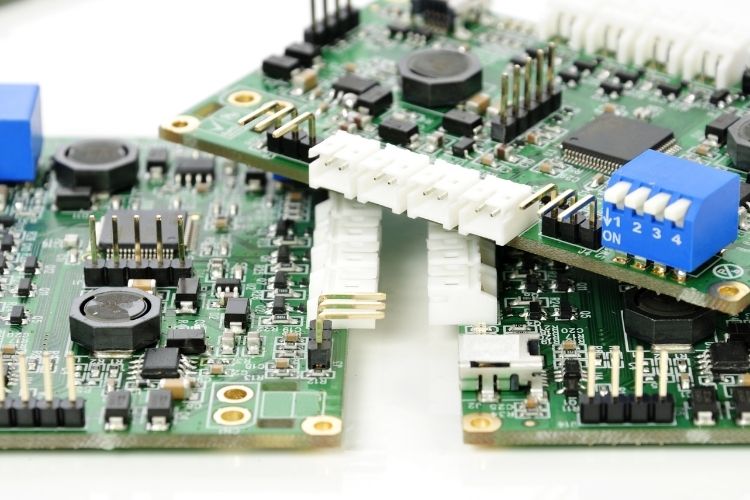
Optimizing product design in electronics manufacturing services (EMS)
Introduction to design review in electronics manufacturing services
Design review is a critical phase in the electronics manufacturing services (EMS) industry, serving as a cornerstone for transforming innovative ideas into reliable, manufacturable products. It is the systematic assessment of a product’s design to ensure it aligns with both functional requirements and manufacturing constraints. This process is essential for reducing production costs, minimizing errors, and improving overall product quality. The significance of this stage cannot be overstated, as it directly impacts the efficiency, cost-effectiveness, and long-term success of the final product. In this context, the collaboration between engineers, designers, and EMS providers is crucial, as early design decisions can significantly influence manufacturing outcomes.
The role of design in EMS
Design is not just about functionality or aesthetics – it is the foundation upon which the entire manufacturing process is built. For EMS providers, an effective design is one that not only meets the technical specifications of the original equipment manufacturer (OEM) but also optimizes manufacturability, reduces costs, and ensures long-term reliability. This involves balancing complex electrical, mechanical, and thermal considerations while adhering to specific requirements like environmental compliance and industry standards. An optimized design also supports seamless integration into automated manufacturing processes, reducing the likelihood of costly errors and rework.
Common challenges in product design for electronics manufacturing
Designing for electronics manufacturing presents unique challenges. Engineers must account for the complexities of printed circuit board (PCB) layout, component selection, signal integrity, and thermal management, all while keeping costs and lead times in check. One of the most significant hurdles is the need to align the design with the capabilities of the chosen EMS provider, as mismatches in design and manufacturing capabilities can lead to costly delays and quality issues. Additionally, designers must consider the availability of components, risk of obsolescence, and the impact of rapid technology changes, which can complicate the design phase and increase production risks.
Importance of early design involvement for EMS providers
Involving EMS providers early in the design process can be a game-changer. This approach, often referred to as “early in the design,” allows engineers to identify potential manufacturability issues before they become costly production problems. Early collaboration helps to optimize PCB design, reduce the risk of component shortages, and streamline the entire manufacturing process. It also facilitates better cost forecasting, improved quality control, and faster time-to-market. By integrating EMS expertise from the outset, manufacturers can achieve a more robust, cost-effective design that meets both technical and commercial requirements.
H2: Understanding the design for manufacturing (DFM) process in EMS
Design for manufacturing (DFM) is a critical approach in the EMS industry, aimed at optimizing product designs to ensure efficient, cost-effective production without compromising quality. DFM focuses on aligning the design with the capabilities of the manufacturing partner, reducing the likelihood of costly errors, and improving overall manufacturing efficiency. This approach not only minimizes the need for complex manual interventions but also reduces the risk of quality issues and production delays. In the context of electronics manufacturing, DFM addresses the specific challenges associated with PCB design, component placement, and assembly processes, making it a vital part of successful product development.
What is DFM and why it matters?
DFM is a systematic methodology that ensures a design is manufacturable, meaning it can be produced consistently, at high quality, and at a reasonable cost. It is a critical step for manufacturers who aim to streamline their production processes, reduce lead times, and improve overall product quality. The primary goal of DFM is to anticipate and resolve potential manufacturing issues during the design phase, rather than addressing them later in production, where corrections are significantly more costly. By incorporating DFM principles, designers can reduce the risk of component misalignment, soldering defects, and mechanical failures, ensuring the final product meets both technical and commercial requirements.
Key elements of effective DFM in electronics manufacturing
Effective DFM in electronics manufacturing involves a detailed understanding of several key factors. First, the PCB layout must be optimized for both electrical performance and manufacturability. This includes careful consideration of trace widths, spacing, and layer stacking to minimize electromagnetic interference (EMI) and signal integrity issues. Additionally, component selection plays a crucial role, as choosing parts that are readily available, cost-effective, and reliable can prevent supply chain disruptions and reduce overall production costs. Engineers must also account for the thermal properties of the board, ensuring adequate heat dissipation and mechanical stability. Finally, the physical design must accommodate automated assembly processes, such as surface-mount technology (SMT) and through-hole technology (THT), to maximize production efficiency.
Balancing design flexibility and manufacturability
One of the primary challenges in DFM is finding the right balance between design flexibility and manufacturability. While engineers aim to create innovative, high-performance products, they must also ensure that these designs can be efficiently produced at scale. This balance requires close collaboration between designers and EMS providers, as early design decisions can have a significant impact on manufacturing outcomes. For example, using unconventional board shapes, tight tolerances, or custom components can increase production costs and complicate the assembly process. By prioritizing standardization and modular design, engineers can reduce manufacturing complexity, shorten production cycles, and lower costs without sacrificing performance.
How DFM reduces cost and improves time-to-market
Implementing DFM principles is one of the most effective ways to reduce manufacturing costs and accelerate time-to-market. By addressing potential production challenges early in the design phase, manufacturers can avoid costly redesigns, reduce scrap rates, and minimize downtime. This proactive approach also allows for better capacity planning, more accurate cost estimates, and improved supply chain management. Additionally, DFM helps reduce the risk of quality failures, ensuring that products meet the highest standards for reliability and performance. In an industry where time-to-market can be a critical competitive advantage, DFM provides a clear path to faster, more cost-effective product launches.
Critical stages of the design review process in EMS
The design review process is a structured, multi-stage evaluation that ensures a product design is ready for mass production. It is a vital part of the electronics manufacturing process, helping to identify potential design flaws, reduce production costs, and ensure the final product meets all performance and reliability requirements. This process involves collaboration between engineers, designers, and EMS providers to optimize every aspect of the design, from component selection to final assembly. Effective design reviews can significantly reduce time-to-market, lower manufacturing costs, and improve product quality, making them an essential part of any successful manufacturing strategy.
Initial design analysis and feasibility study
The first stage of the design review process is the initial design analysis and feasibility study. At this point, engineers assess whether the product can be manufactured efficiently, given the available technology, materials, and production capabilities. This includes evaluating the overall design for manufacturability (DFM), analyzing the cost-effectiveness of the design, and identifying potential production challenges. Engineers must also consider the specific requirements of the application, including mechanical constraints, thermal management, and environmental conditions. This phase is critical for ensuring that the design aligns with the capabilities of the chosen EMS provider, reducing the risk of costly redesigns later in the process.
Component selection and risk assessment
Component selection is a critical part of the design review process, as the choice of components directly impacts the cost, reliability, and manufacturability of the final product. Engineers must carefully select components that are readily available, cost-effective, and reliable to avoid production delays and quality issues. This includes considering factors like lead times, component obsolescence, and supply chain stability. A thorough risk assessment at this stage helps to identify potential weaknesses in the design, such as components with high failure rates or parts that may become obsolete before the product reaches full-scale production. Effective component selection can also reduce overall costs and improve product reliability, making it a key focus for EMS providers.
PCB layout and signal integrity considerations
The PCB layout is a critical aspect of electronics design, directly impacting signal integrity, thermal performance, and overall product reliability. Engineers must carefully plan the placement of components, trace routing, and power distribution to minimize electrical noise, reduce electromagnetic interference (EMI), and ensure stable signal transmission. This stage also involves evaluating the physical layout for manufacturability, including the spacing of components, pad sizes, and trace widths. Proper PCB design can significantly reduce production costs, improve assembly efficiency, and enhance overall product performance. In addition, designers must consider the impact of high-speed signals, thermal management, and power integrity to ensure reliable, long-term operation.
Thermal management and reliability testing
Effective thermal management is essential for maintaining the reliability and longevity of electronic products. High temperatures can degrade component performance, reduce product lifespan, and increase the risk of failure. To address these challenges, engineers must design PCBs with proper heat dissipation, including the use of thermal vias, heat sinks, and optimized board layouts. Reliability testing is also a critical part of this stage, ensuring that the final product can withstand the rigors of real-world use. This includes environmental testing, vibration analysis, and thermal cycling to identify potential failure points before the product goes into mass production. By addressing thermal challenges early in the design process, manufacturers can reduce the risk of costly field failures and improve overall product quality.
How EMS providers optimize the design review process
Optimizing the design review process is a critical task for EMS providers, as it directly impacts manufacturing efficiency, product quality, and overall production costs. Effective design reviews can help identify potential issues early in the design phase, reducing the risk of costly errors and ensuring a smoother transition from prototype to full-scale production. This optimization requires a combination of advanced technology, engineering expertise, and close collaboration with OEMs. By investing in robust design review processes, EMS providers can improve product reliability, reduce time-to-market, and enhance customer satisfaction.
Using advanced software and simulation tools
One of the most effective ways EMS providers optimize the design review process is through the use of advanced software and simulation tools. These technologies allow engineers to model complex designs, predict potential manufacturing issues, and evaluate the performance of PCB layouts before physical prototypes are built. Tools like finite element analysis (FEA), computational fluid dynamics (CFD), and electromagnetic simulation can identify critical design flaws related to thermal management, signal integrity, and mechanical stress. Additionally, 3D modeling and digital twins enable engineers to visualize the entire manufacturing process, reducing the likelihood of costly rework and production delays. This digital approach also supports better communication between designers, engineers, and manufacturing teams, ensuring that designs are optimized for both performance and manufacturability.
Collaboration between OEMs and EMS partners
Successful design reviews depend on close collaboration between OEMs and EMS partners. This partnership is essential for aligning product designs with manufacturing capabilities, reducing the risk of costly redesigns, and improving overall production efficiency. By working together early in the design process, OEMs and EMS partners can identify potential manufacturing challenges, optimize component selection, and streamline the path from prototype to mass production. This collaborative approach also allows for better cost forecasting, reduced lead times, and improved product quality, as both sides share insights into design best practices and manufacturing constraints. For OEMs, this partnership can provide valuable industry expertise, helping them bring innovative products to market more quickly and cost-effectively.
Real-world case studies of design optimization
While the principles of design optimization are well understood, their real-world application can vary significantly depending on the product and manufacturing requirements. Many successful companies that design complex electronics have demonstrated the benefits of early design involvement, robust DFM practices, and close collaboration with EMS providers. These real-world examples highlight the importance of comprehensive design reviews, including thorough risk assessments, advanced simulation techniques, and rigorous testing protocols. They also underscore the value of a strong partnership between OEMs and their manufacturing partners, which can lead to reduced costs, faster time-to-market, and higher product reliability.
Leveraging digital twins and AI for enhanced design review
The use of digital twins and artificial intelligence (AI) is transforming the way EMS providers approach design reviews. Digital twins are virtual replicas of physical products, allowing engineers to test designs in a digital environment before physical manufacturing begins. This approach provides valuable insights into how a product will perform under real-world conditions, reducing the need for costly physical prototypes. AI, on the other hand, can be used to analyze large volumes of design data, identify patterns, and predict potential failure points. Together, these technologies enable more accurate design reviews, faster time-to-market, and improved product quality, making them essential tools for modern EMS providers.
Overcoming common design pitfalls in EMS
Designing for electronics manufacturing is a complex task that requires careful planning, technical expertise, and a deep understanding of both design principles and manufacturing processes. Despite these efforts, certain common pitfalls can still arise, potentially leading to costly redesigns, production delays, and reduced product quality. To avoid these issues, engineers must address key challenges related to component selection, manufacturability, and supply chain stability. By proactively identifying and mitigating these risks, EMS providers can deliver products with the highest quality, improve operational efficiencies, and reduce overall manufacturing costs.
Avoiding component shortages and obsolescence
Component shortages and obsolescence are major challenges for EMS companies, often leading to production delays and increased costs. To mitigate these risks, engineers must carefully select components that are not only cost-effective but also widely available and supported by reliable suppliers. This involves working closely with suppliers to understand the availability of critical components like connectors, capacitors, and specialized chips. Traceability is also essential, as it helps manufacturers monitor component lifecycles, reduce the risk of counterfeit parts, and ensure compliance with industry standards. In addition, incorporating broad supplier networks and maintaining flexibility in component sourcing can help reduce the impact of market fluctuations and supply chain disruptions.
Addressing design complexity and manufacturing constraints
As electronic products become more advanced, their designs often become more complex, requiring innovative solutions to overcome physical, electrical, and mechanical constraints. For example, medical devices and high-performance industrial systems often demand precise control over signal integrity, thermal management, and mechanical stability. To meet these requirements, engineers must optimize PCB layout, carefully select materials, and ensure that designs can be manufactured consistently at scale. This may involve specifying custom enclosures, designing for high-speed signal transmission, or incorporating advanced thermal management techniques. By addressing these challenges early in the design process, manufacturers can reduce the need for costly revisions and improve overall product reliability.
Managing design changes and their impact on manufacturing
Design changes are a common part of the product development process, but they can significantly disrupt manufacturing if not managed properly. Each design revision can affect the entire manufacturing process, from component sourcing to assembly, testing, and quality control. Effective design management involves clearly defined guidelines, close collaboration between design and manufacturing teams, and rigorous testing protocols. This approach helps minimize the impact of design changes on production schedules, reduce costs, and ensure that the final product meets the original design specifications. Additionally, using digital tools like NPI (new product introduction) software can streamline the transition from prototype to full-scale production, reducing the risk of costly errors.
Reducing the risk of quality failures in production
Ensuring the highest quality in electronics manufacturing requires a comprehensive approach to design, assembly, and testing. This includes selecting high-quality components, optimizing PCB layouts, and implementing rigorous testing protocols to identify potential failure points early in the production process. Certification and compliance with industry standards are also critical, as they help ensure that products meet specific requirements for safety, reliability, and performance. For example, medical devices must comply with strict regulatory standards to ensure patient safety, while industrial systems often require robust designs capable of withstanding harsh operating conditions. By focusing on quality from the design phase onward, manufacturers can reduce the risk of costly field failures and improve overall customer satisfaction.
Future trends in design and manufacturing for EMS
The electronics manufacturing industry is evolving rapidly, driven by advancements in automation, digitalization, and new materials. As EMS companies seek to remain competitive, they must adapt to these changes by embracing innovative design strategies, integrating advanced manufacturing technologies, and optimizing their processes for speed, efficiency, and flexibility. This forward-looking approach is essential for delivering high-quality products, reducing costs, and meeting the ever-changing demands of the global market. From digital twins and AI-driven design to flexible production systems and sustainable manufacturing practices, the future of EMS is defined by continuous innovation and strategic investment in cutting-edge technologies.
Innovations in materials and manufacturing techniques
As electronics become more powerful and compact, the materials used in their design must also evolve. Advanced composites, high-performance polymers, and novel conductor materials are becoming more common in modern electronics, providing improved thermal management, electrical performance, and mechanical strength. For example, flexible PCBs and high-density interconnect (HDI) technologies allow for more compact, lightweight designs, making them ideal for medical devices, wearable electronics, and aerospace applications. Additionally, new solutions such as additive manufacturing (3D printing) and flexible circuits are expanding the scope of what is possible in electronics manufacturing, enabling complex geometries and faster prototyping with reduced fabrication costs.
The role of AI and machine learning in design optimization
Artificial intelligence (AI) and machine learning (ML) are transforming the way electronics are designed and manufactured. These technologies allow engineers to automate complex design tasks, optimize PCB layouts, and predict potential failure points before production begins. AI-driven design tools can analyze vast amounts of data from previous projects, identify best practices, and recommend improvements in real-time. This not only reduces the time required for design iterations but also improves overall product quality. Moreover, AI can support better supply chain management by predicting demand, optimizing inventory, and reducing the risk of component shortages, ultimately improving operational efficiencies and reducing costs.
Sustainability and eco-design in electronics manufacturing
Sustainability is becoming a critical factor in the electronics manufacturing process, as companies strive to reduce their environmental impact and meet stringent regulatory requirements. This includes designing products for longer lifespans, reducing waste during production, and selecting environmentally friendly materials. For example, many EMS companies are now focusing on reducing energy consumption, minimizing the use of hazardous substances, and improving the recyclability of their products. This shift towards sustainable design not only reduces costs but also aligns with growing consumer demand for environmentally responsible products. Implementing sustainable practices can also help companies achieve important certifications, enhance brand reputation, and meet customer expectations for eco-friendly solutions.
Preparing for the next generation of electronics
As technology continues to advance, EMS providers must prepare for the next generation of electronic devices. This includes investing in cutting-edge manufacturing technologies, expanding their design capabilities, and staying ahead of emerging trends like IoT, 5G, and autonomous systems. These technologies will require more sophisticated PCBs, higher data processing speeds, and greater design flexibility, challenging traditional manufacturing methods. To stay competitive, EMS companies must adopt new design methodologies, such as design for manufacturing (DFM), design for assembly (DFA), and design for testability (DFT), while leveraging the latest software tools and digital platforms. By doing so, they can deliver innovative, cost-effective solutions that meet the evolving needs of their customers.
Conclusion – The strategic advantage of optimized design in EMS
As the electronics manufacturing industry continues to evolve, the importance of optimized design cannot be overstated. Effective design reviews, advanced manufacturing processes, and close collaboration between OEMs and EMS providers are essential for achieving cost-effective production, high-quality products, and faster time-to-market. By focusing on the best processes and leveraging the latest design technologies, manufacturers can significantly reduce costs, improve product reliability, and enhance customer satisfaction.
Optimized design is not just about reducing production costs or increasing manufacturing efficiency – it is a strategic advantage that can set companies apart in a highly competitive market. For many OEMs, the ability to outsource design and manufacturing to a capable EMS provider allows them to focus on innovation and product development while ensuring their products are manufactured to the highest standards.
Additionally, creating designs that are both robust and accessible to a wide range of manufacturing processes can improve overall operational efficiency and reduce the risk of costly production delays. This approach also supports better engagement between design and manufacturing teams, fostering a collaborative environment where innovation can thrive.
In the end, investing in design optimization and early collaboration can deliver significant long-term benefits, including reduced production costs, improved product quality, and faster time-to-market. As the electronics industry moves towards more complex, connected, and high-performance devices, the ability to create efficient, manufacturable designs will be a critical factor in maintaining a competitive edge.

